
Leading Products for Landscaping Drainage Installations for Seamless Water Control
Choose from top-rated drainage solutions that help you manage excess water efficiently and maintain a healthy landscape.
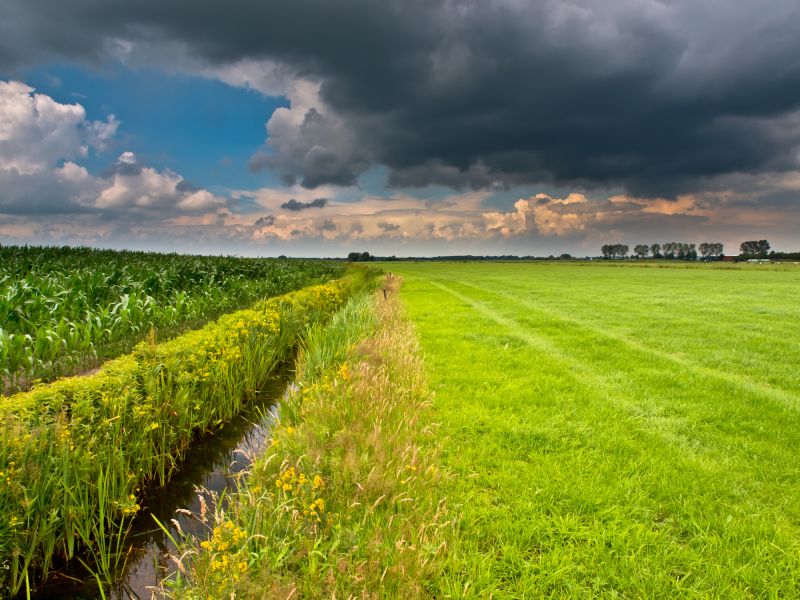 Effective landscaping drainage is essential for maintaining the integrity and appearance of outdoor spaces. Proper drainage helps prevent water pooling, soil erosion, and damage to structures or plantings. When selecting products for drainage installations, it is important to consider the specific needs of the area, including soil type, slope, and the volume of water that needs to be managed. A variety of solutions are available to suit different project scales and complexities, from small garden beds to large commercial landscapes.
Types of Products For Landscaping Drainage Installations
Perforated Drain Pipe
Flexible or rigid pipes with perforations that allow water to enter and be directed away from areas prone to excess moisture.
Drainage Gravel and Stone
Clean, coarse gravel or crushed stone used to facilitate water movement around pipes and prevent clogging.
Surface Drainage Grates
Grates designed to cover surface drains, capturing runoff and directing it into underground systems.
Channel Drains
Long, narrow drains that collect surface water along driveways, patios, or walkways.
French Drains
Underground trench filled with gravel and perforated pipe to redirect groundwater away from foundations.
Drainage Mats and Geocomposites
Materials designed to improve water flow and aeration around roots or foundation walls.
Waterproof Membranes
Barrier membranes used to prevent water infiltration in retaining walls or basements.
Filter Fabric
Porous fabric used to prevent soil particles from clogging drainage systems.
Sump Pumps
Devices that pump out accumulated water from basements or low-lying areas.
Rain Barrels with Drainage Spouts
Containers that collect rainwater, often equipped with drainage outlets for controlled release.
Drainage Sleeves
Protective sleeves for pipes that prevent soil intrusion and damage.
Erosion Control Meshes
Mesh fabrics that stabilize soil and prevent erosion while allowing water passage.
Subsurface Drainage Systems
Integrated systems combining pipes, gravel, and fabric for comprehensive underground drainage.
Popular Choices
Widely used for redirecting groundwater and surface water away from structures and landscape features.
Commonly selected for creating effective gravel beds around pipes or in French drains.
Pre-packaged solutions that combine pipe, gravel, and fabric for straightforward installation.
Popular for managing runoff along walkways and driveways with easy-to-install grates.
Effective for collecting and directing surface water in high-traffic areas.
Frequently used in basement or foundation waterproofing to prevent water infiltration.
Commonly installed in low spots or basements to collect and pump out water.
Popular for lining trenches and around pipes to prevent soil intrusion.
Used frequently on slopes or disturbed soil to prevent erosion while allowing water passage.
Collected rainwater with drainage outlets for controlled release or reuse.
Drainage products often work together as part of a comprehensive system that directs excess water away from problem areas. This can include underground pipes, surface drains, and specialized gravel or stone beds. Installing these components correctly ensures that water flows freely and does not cause unintended issues such as soil saturation or foundation problems. Proper planning and product selection are key to creating an effective and durable drainage system.
In addition to functional considerations, ease of installation and compatibility with existing landscape features are important. Many drainage products are designed for straightforward installation, making them accessible even for DIY projects. However, consulting with professionals or thoroughly researching product specifications can help achieve optimal results. Maintenance requirements should also be considered to ensure long-term performance and to prevent clogging or deterioration over time.
Key Buying Considerations
- Assess the volume and flow rate of water that needs to be managed to select appropriate system capacity.
- Determine the type of drainage solution that best fits the landscape features, such as surface or subsurface options.
- Consider soil type and permeability, as some soils drain more slowly and may require specialized products.
- Evaluate the slope and grading of the area to ensure proper water flow and prevent pooling.
- Check compatibility with existing landscape elements and infrastructure for seamless integration.
- Review installation requirements and whether professional assistance is needed for complex systems.
- Examine the durability and material quality of drainage components to ensure long-term performance.
- Factor in maintenance needs, such as cleaning or replacing filters, to keep the system functioning effectively.
- Identify local regulations or codes that may influence the choice of drainage products and installation methods.
- Compare product warranties and support options for added peace of mind.